

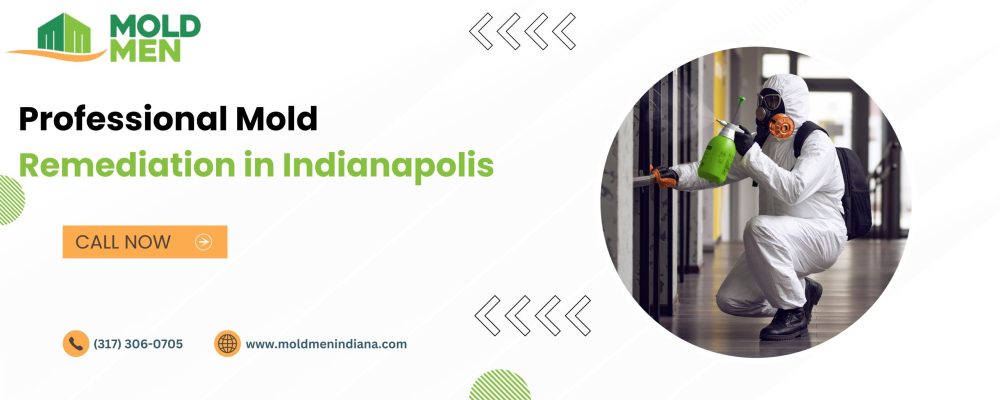
Indianapolis, with its distinct humid continental climate, faces a constant battle against moisture—and moisture is the key ingredient for mold growth. From the historic homes in Meridian-Kessler to modern townhouses downtown, water intrusion, high humidity, and poor ventilation can quickly turn a small spot into a widespread contamination issue. Mold remediation in Indianapolis is more than just cleaning a surface; it’s a specialized, multi-step process required to eliminate the fungus, prevent its return, and restore a healthy indoor environment for Hoosiers. Ignoring a mold problem, regardless of how small it seems, can lead to serious structural damage and persistent health issues.
The Indianapolis Mold Challenge: Causes and Health Risks
Mold growth is a direct result of excess moisture and is common in the Indianapolis area due to factors like humid summers, significant spring rains, and a prevalence of older homes with basements and crawl spaces. Mold spores thrive on organic materials like drywall, wood, and carpet, beginning to grow rapidly within 24–48 hours of a water event.
Common Causes of Mold in Central Indiana Homes
- High Indoor Humidity: During Indianapolis’s humid summer months, indoor humidity levels can soar. The EPA recommends keeping indoor relative humidity between 30% and 50% to discourage mold growth.
- Basement and Crawl Space Issues: Clay soil conditions around the Indianapolis area can contribute to basement moisture issues. Poor drainage, foundation cracks, and sump pump failures are common entry points for water.
- Undetected Leaks: Minor plumbing leaks behind walls, slow roof leaks, or faulty appliance connections (like washing machines or dishwashers) often go unnoticed until mold becomes visible or a musty odor appears.
- Poor Ventilation: Lack of proper exhaust fans in high-moisture areas like bathrooms, kitchens, and laundry rooms traps humid air, leading to condensation and surface mold.
Health Impacts of Mold Exposure
Exposure to mold, regardless of the type (including “black mold”), can pose significant health risks, especially for sensitive individuals.
- Allergic Reactions: The most common symptoms include sneezing, runny nose, red or itchy eyes, skin rash, and a persistent cough.
- Asthma and Respiratory Issues: For individuals with asthma, mold spores can trigger severe asthma attacks. Exposure is also associated with developing or worsening respiratory symptoms like wheezing and shortness of breath.
- Irritation: Mold can irritate the eyes, skin, nose, throat, and lungs even in people without allergies.
The Professional Mold Remediation Process
Professional mold remediation Indiana follows strict industry guidelines, such as the ANSI/IICRC S520 Standard for Professional Mold Remediation, to ensure safe and complete removal. Unlike DIY cleaning, which often spreads spores and misses the root system, professional service addresses the contamination at its source and prevents cross-contamination.
Key Steps in Indianapolis Mold Remediation
- 1. Inspection and Assessment: A professional will first identify the source of the moisture causing the growth, which is the most critical step. They will also determine the extent of the contamination, using specialized equipment to detect hidden mold or moisture pockets.
- 2. Containment: To prevent mold spores from spreading to clean areas of your home during the removal process, technicians establish physical containment barriers (plastic sheeting) and use negative air pressure. This is crucial for protecting the rest of your Indianapolis property.
- 3. Air Filtration: Industrial-grade HEPA-filtered air scrubbers are run continuously within the contained area. These machines capture microscopic mold spores from the air, exhausting contaminated air to the outside and dramatically improving the air quality.
- 4. Mold Removal and Cleaning: Contaminated, porous materials like drywall, carpet, and insulation that cannot be fully cleaned are safely removed, double-bagged, and disposed of according to protocol. Non-porous materials (wood, metal, concrete) are meticulously scrubbed, HEPA-vacuumed, and treated with EPA-registered anti-microbial agents to remove both surface mold and embedded root systems.
- 5. Restoration and Clearance: After the physical mold is removed, the area must be completely dried. The final step often involves a post-remediation verification (clearance test) conducted by an independent third-party professional to confirm that the mold spore count has returned to normal, healthy levels before any repairs or reconstruction begin.
Why Choose Local Indianapolis Experts?
While there are no federal or statewide licensing requirements for mold remediation, choosing a local Indianapolis company with IICRC (Institute of Inspection Cleaning and Restoration Certification) technicians is paramount. A local expert understands the common Indy-specific construction issues and climate factors—like the need for robust basement waterproofing and dehumidification—that contribute to recurring mold problems.
Don’t take risks with your health or property. Effective mold remediation requires specialized equipment, training, and adherence to proven industry protocols. If you notice a musty smell, visible mold growth, or have recently experienced water damage in your Central Indiana home, contact a professional immediately to ensure the problem is solved correctly and permanently.